Every Decision Keeps Its Receipts
Every decision keeps its receipts
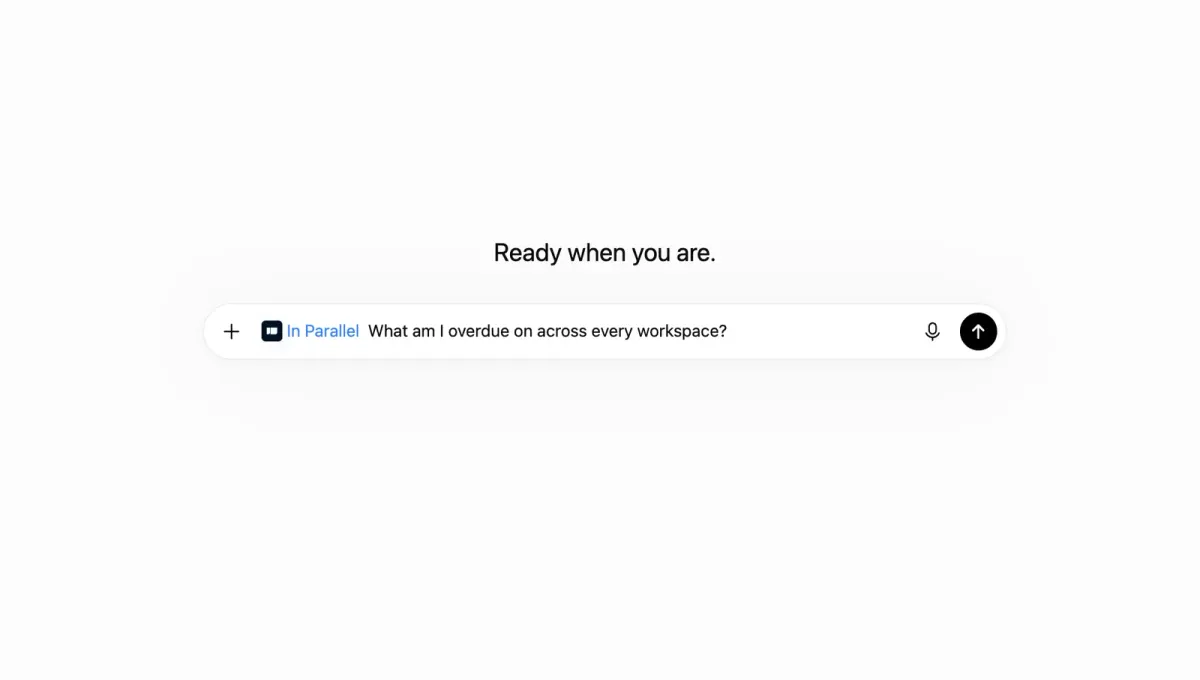
✅ Decisions— “What did we decide about pricing — and who signed off?”
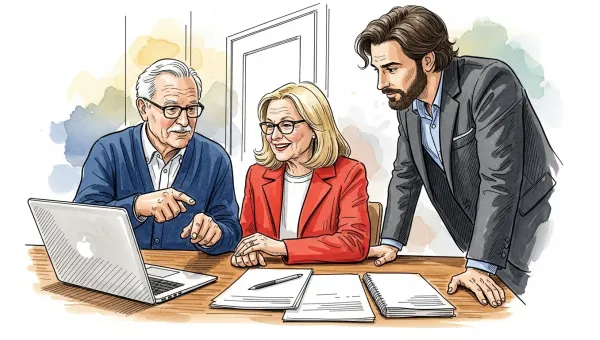
Nadia asks the question on a Tuesday stand-up, six weeks after the company changed its pricing. Not to relitigate it — she’s the new finance lead, and she needs the logic underneath before she can model the next change against the last one.
Nobody can quite answer her. The decision was made — everyone agrees on that much — but the where and the who and the why have come apart. One person remembers it was settled at the April offsite. Another is sure it was a Slack thread. A third thinks it was never actually approved, just discussed until everyone got tired of discussing it. The decision is real. Its provenance is gone.
A decision is not a moment, it’s a record
The mistake is treating a decision as something that happens and then is over. In practice a decision has a life. It gets proposed. Reviewed, argued, amended. Approved — or rejected, which is also a decision, and the one most likely to be forgotten. Then it has to stay legible long enough for the next person to build on it without re-deriving it from scratch.
Most tools capture none of this. The decision surfaces in a meeting, lands in someone’s notes if you’re lucky, and starts shedding context immediately. Within a month you have the outcome without the reasoning, the conclusion without the dissent — “we decided,” with no record of who decided, or whether they were the right person to.
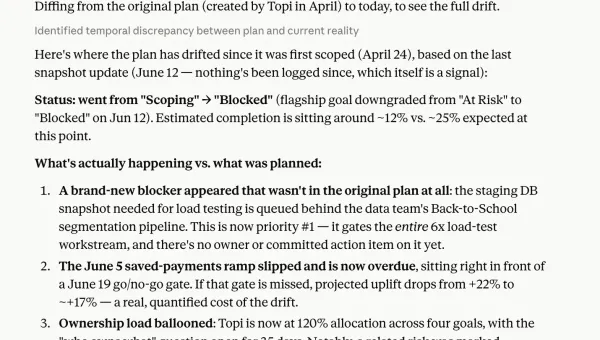
At scale, a company loses the ability to learn from its own choices this way. Every decision becomes a fresh argument, because nobody can find the last one. It’s the coordination tax in one of its purest forms: paying again for a conclusion you already reached, because the conclusion didn’t keep its receipts.
The move: decisions as first-class records, with status and origin
Treat a decision the way an accountant treats a transaction. A record, not a memory. And it carries the two things a memory loses first — where it came from, and where it stands.
Origin. Each decision links back to the conversation it was made in. “What did we decide about pricing?” returns not just the conclusion but the meeting it was settled in, the people in the room, the discussion that produced it. When Nadia asks why, the answer isn’t someone’s reconstruction. It’s the actual decision, with the actual context behind it.
Status. A decision isn’t simply on or off. It moves through states — proposed, reviewing, approved, rejected — and the record holds which one it’s in. That’s the difference between “we talked about changing pricing” and “we approved changing pricing,” a difference that has started more than one cross-functional fire. Ask for everything still under review, everything approved this quarter, everything proposed and rejected, and get a straight answer, because the status is a field. Not a vibe.
Put the two together and the card’s question has a real answer. “What did we decide about pricing — and who signed off?” resolves to a specific decision, in a specific status, traceable to a specific room and a specific person. Not folklore. A record.
Why the rejected ones matter most
There’s a quiet asymmetry here. Approved decisions tend to survive, because they turn into work, and the work reminds everyone they happened. Rejected decisions vanish. Nobody builds on a no, so nothing keeps it alive.
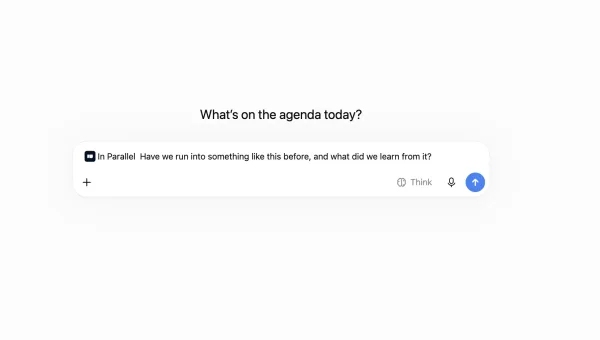
The rejected decisions are often the expensive ones to lose, though. Six months on, someone proposes the exact thing the team already considered and declined, and because the no left no trace, the whole debate runs again from zero. Holding rejected decisions as records — reasoning intact — is how a company stops paying for the same argument twice. “Did we already look at this?” turns into a question with an answer.
What this doesn’t do
It isn’t a governance gate that slows decisions down. The record follows the decision; it doesn’t stand in front of it demanding forms. The point is to capture what was decided, not to add a layer of approval theatre to the deciding.
Nor is it a claim that every decision should be formal. Most of what a team decides is small, local, and should stay that way — recording it would cost more than losing it ever would. This earns its keep on the decisions that cross teams, set precedent, or get questioned later. A system that insisted on minuting every choice would just be a new tax of its own. The skill is knowing which decisions deserve a receipt.
And it doesn’t adjudicate. The record holds that a decision was made, by whom, in what state. It doesn’t tell you the decision was correct. A clean provenance trail behind a bad call is still a bad call — better documented, easier to learn from, not improved by the documenting.
The honest limit
What this removes is the re-derivation: the meetings spent reconstructing a conclusion the company already reached, the precedent lost because nobody could find it, the rejected idea that comes back around as a new one. That’s a real and recurring cost, and getting it back is worth a great deal.
What it leaves untouched is the hard part — making good decisions in the first place. We aren’t in that business, and no record-keeping ever will be. Shared context can guarantee that a decision keeps its receipts. It can’t guarantee the decision was worth making.
That stays the work of the people in the room.
The second of six pieces on what a shared record holds. The first, Perfect Meeting Memory, is about the conversations themselves.
Get insights like this in your inbox
One email per week on execution intelligence, team coordination, and enterprise AI. No fluff.
By subscribing you agree to our Privacy Policy. Unsubscribe anytime.