A Fresh Start for Strategy Execution in the New Year
Why next year shouldn’t begin with another plan, but with a better way to manage execution

As the year comes to a close, leadership teams review results and prepare ambitious plans for the year ahead. Yet even with strong strategies, execution often falls short. Research from firms like McKinsey & Company shows the challenge isn’t strategy itself, but how decisions are translated into coordinated action.
The recurring execution problem
As the year comes to a close, many leadership teams are doing the same thing they do every December: reviewing results, refreshing strategies, and preparing ambitious plans for the year ahead.
And yet, despite well-crafted strategies, execution often disappoints.
This isn’t because leaders lack ambition, effort, or intelligence. Research from firms like McKinsey & Company has consistently shown that the real challenge lies after strategy is set — in how organizations translate decisions into coordinated action.
Most organizations don’t fail at strategy. They fail at managing execution.
Plans are created, but:
- priorities drift once work begins
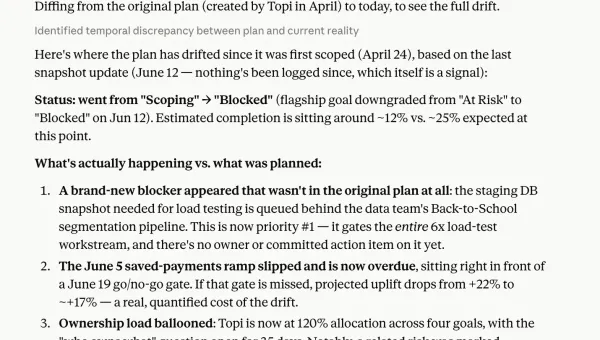
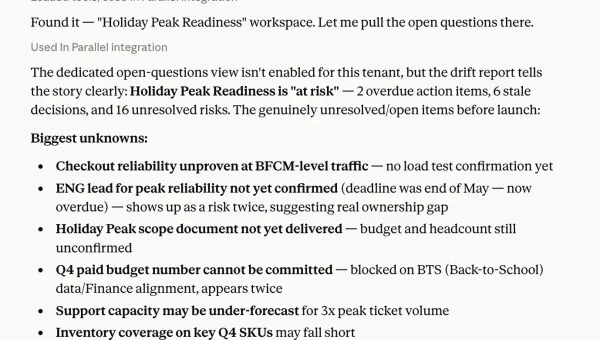
- information fragments across decks, tools, and meetings
- risks surface late, when they are already expensive
- leaders rely on stale or incomplete views of progress
The result is a familiar feeling: everyone is busy, yet momentum feels fragile.
As McKinsey has noted, high-performing organizations treat execution as a management discipline, not an afterthought. They actively monitor progress, adjust early, and keep strategy and day-to-day work tightly connected.
Why the new year is the right moment to reset
The start of a new year creates a rare opportunity.
Not just to reset goals, but to reset how execution is managed.
Too often, organizations respond to execution challenges by adding:
- another dashboard
- another reporting layer
- another meeting
But more tools don’t create clarity. They often increase noise.
What’s missing is not more activity, but a shared, trusted system that connects: strategy → priorities → decisions → execution → outcomes.
From planning harder to managing better
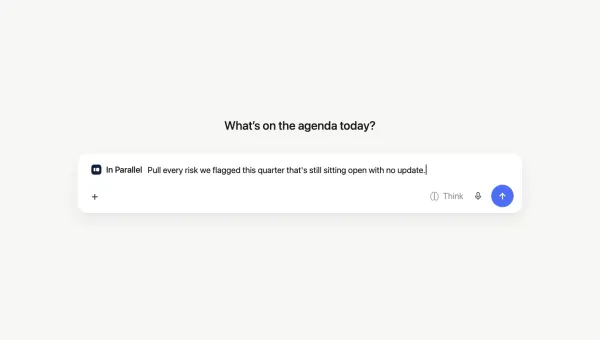
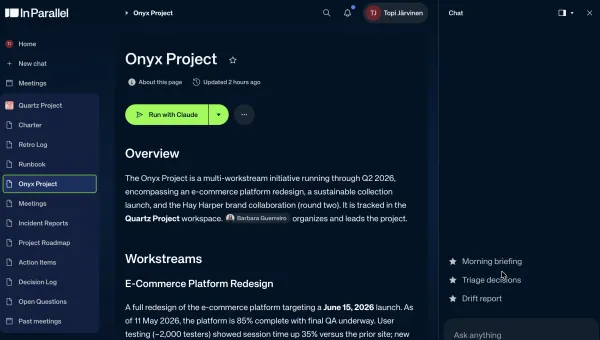
This is where the idea of an Intelligent Management System becomes powerful.
Rather than replacing people or existing tools, an intelligent system supports management itself by:
- providing live situational awareness
- keeping plans continuously up to date
- making priorities and dependencies explicit
- turning meetings into decision moments, not reporting rituals
When execution signals are clear and connected, leaders can act earlier, teams stay aligned, and progress feels calmer — even under pressure.
A better question for the year ahead
As you prepare for the new year, the most important question may not be:
“What should our strategy be?”
But rather:
“How will we manage execution differently this year?”
Because strategy creates potential — but management determines whether that potential becomes reality.
Starting the year fresh doesn’t require a new plan. It requires a better system for turning decisions into impact.
References
Get insights like this in your inbox
One email per week on execution intelligence, team coordination, and enterprise AI. No fluff.
By subscribing you agree to our Privacy Policy. Unsubscribe anytime.