Start the New Year by Closing the Strategy-Execution Gap
Why the real reset isn’t about new plans, it’s about making them happen.

As the new year begins, most organisations revisit their goals and strategic priorities. Ambitious plans get approved, OKRs get set, and teams are energized by possibility.
Yet research shows that strategy alone rarely delivers results, strategy must be mobilised and executed to create value. McKinsey’s article on “Strategy Champions” underscores this: what truly distinguishes top performers isn’t just designing bold strategies, but converting them into coherent organisational action.
If your new year starts with a fresh plan but ends with familiar frustrations, you’re not alone. The problem isn’t lack of ambition, it’s how strategy turns into work that actually gets done.
Planning Doesn’t Equal Performance
Many organisations treat strategy as a moment in time: a workshop, a slide deck, and a list of initiatives. But McKinsey’s research finds that even companies with strong strategic intent often stumble in the next phase, mobilisation, where strategy gets connected to organisational behaviour, accountability and execution. Strategy Champions align leadership, translate strategy into tangible steps, and actively manage performance rather than simply tracking it.
This matters especially at the start of a new year. Resetting objectives isn’t enough if the organisation isn’t set up to carry those objectives forward. Far too many strategic plans remain static documents that fail to guide teams through uncertainty, ambiguity and changing conditions.
Mobilisation, the bridge between strategy and execution, requires clear accountability, continuous alignment, and a rhythm of decision-making that connects goals with results.
The New Year Is a Chance to Build Execution Muscle
The New Year Isn’t Just a Deadline, It’s a Chance to Build Execution Muscle
Starting the year fresh isn’t about spinning up yet another plan, it’s about building execution discipline. Reflecting on what worked and what didn’t last year is useful, but without changing how you operationalise strategy, outcomes will likely repeat.
Here’s where the concept of execution becomes practical:
1. Connect strategic goals to everyday work Too often, leaders set high-level goals that aren’t reflected in team plans, routines, or priorities. Strategy Champions explicitly connect strategy to initiatives, resource allocation, and performance lenses to ensure alignment throughout the organisation.
2. Embed accountability early When individual roles and cross-functional teams have clear ownership of outcomes, not just outputs, execution becomes more predictable. Accountability should be visible and built into cycles of planning and review.
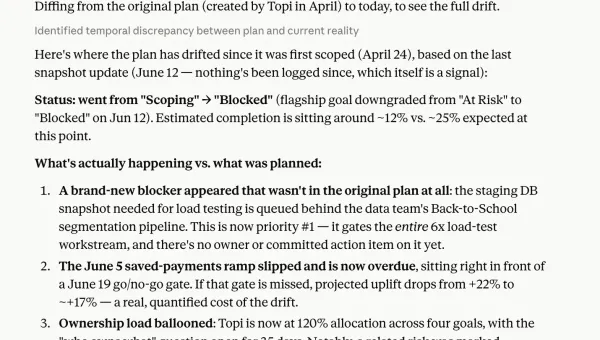
3. Treat performance as a discipline, not a report Strategy Champions don’t passively track progress, they actively manage it. They anticipate barriers, iterate on assumptions, and make adjustments in real time based on what’s actually happening, not just what was forecast.
Why Most New Year Plans Still Underdeliver
There are three common traps that derail strategic plans before February:
1. Strategy stays in decks, not workflows Plans are created in leadership meetings but aren’t translated into actionable routines or operational commitments.
2. Execution becomes tribal knowledge Teams end up managing tasks and meetings without shared clarity on priorities, dependencies, or decisions.
3. Metrics are lagging indicators Organisations often measure results after the fact instead of capturing the right signals early and adjusting course.
McKinsey’s insight into Strategy Champions shows that organisations who outperform do more than just set goals, they mobilise, empower, and continuously activate their strategy across the organisation.
Closing the Gap with an Intelligent Management System
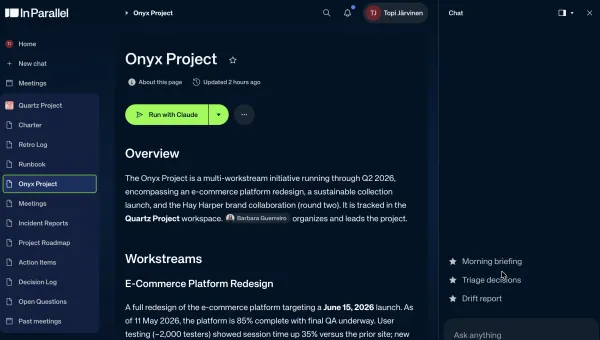
This is where an Intelligent Management System (IMS) becomes a difference engine.
An IMS doesn’t replace existing tools or processes. It enhances how work gets done by:
- Keeping strategic priorities connected to day-to-day work
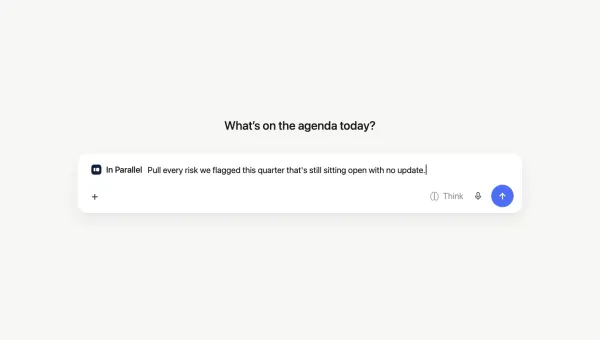
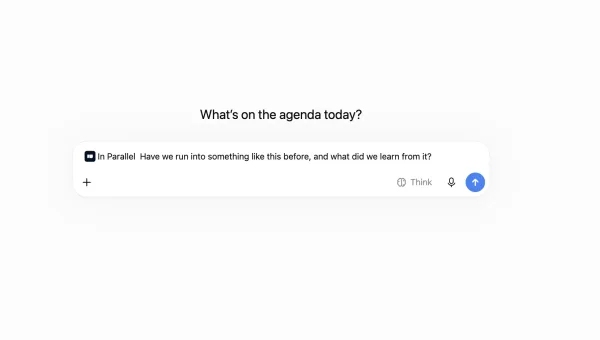
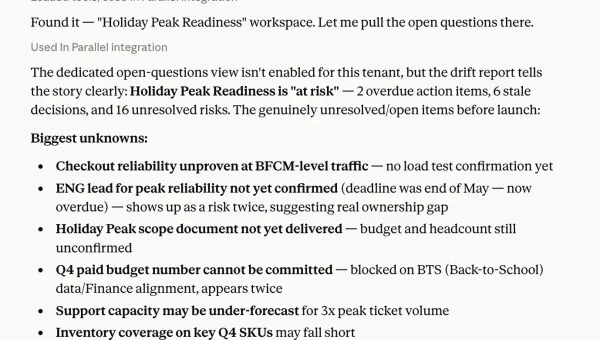
- Providing visibility into risks, dependencies, and decisions
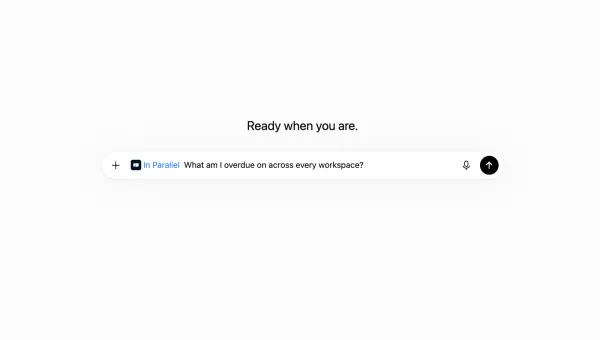
- Making sure nothing important slips through the cracks
- Turning meetings into decision moments, not reporting rituals
In essence, IMS helps turn a year’s worth of ambition into a year’s worth of outcomes.
Make This Year Different: Build Execution, Not Just Plans
If the past years have taught us anything, it’s that execution isn’t something that just happens, it must be intentionally designed, supported and managed.
Starting the new year with better-aligned goals is a good first step. But the real reset comes from connecting those goals to how people actually work every day.
That’s when strategy stops being a hopeful aspiration and becomes a predictable engine of performance.
References
Get insights like this in your inbox
One email per week on execution intelligence, team coordination, and enterprise AI. No fluff.
By subscribing you agree to our Privacy Policy. Unsubscribe anytime.