The great unbundling of creativity
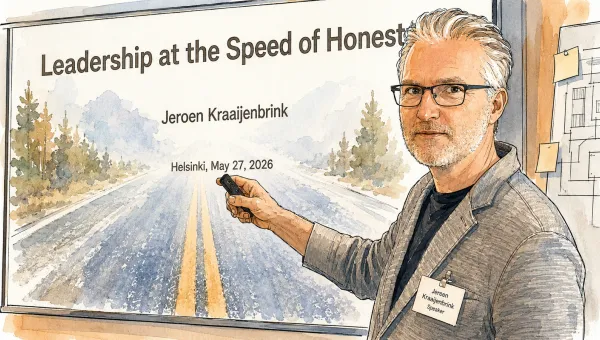
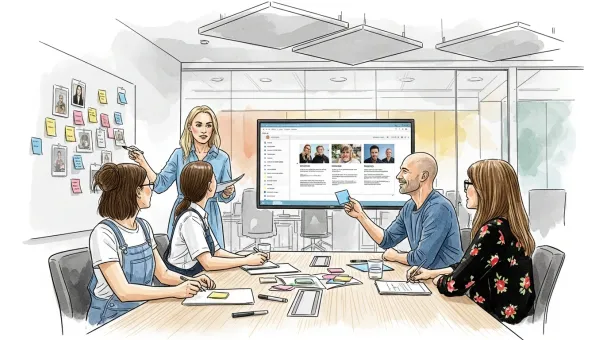
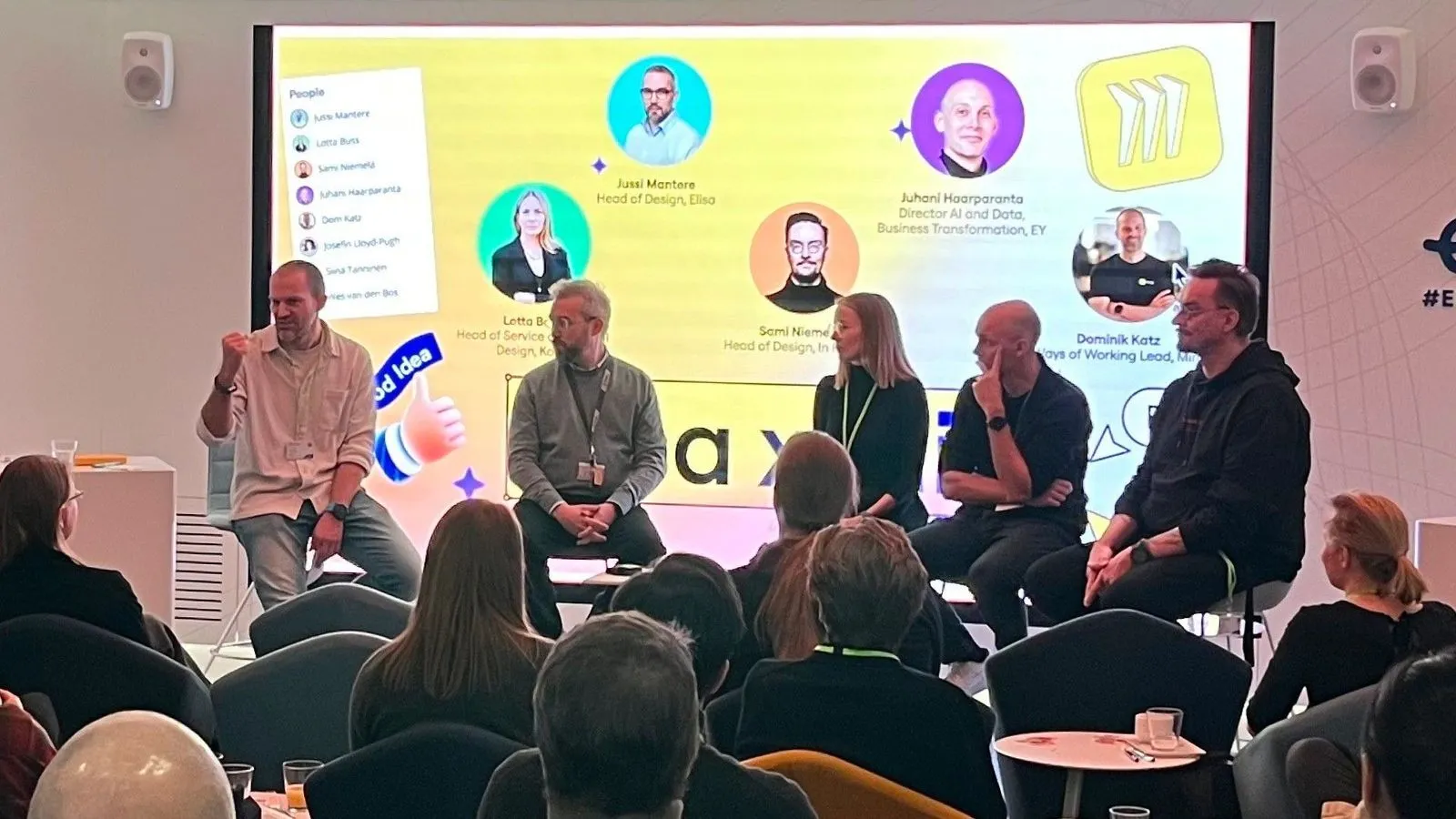
Recently I was invited by Miro and the leading Finnish telco Elisa to take part to a panel discussion about AI, collaboration and the evolution of design roles and leadership in the midst of it all. The discussion that followed was quite inspiring, and it spurred a couple of thoughts.

I think that the next wave of creativity will be championed by those who build the best proprietary tools for themselves and their thinking, and consequently, filling a new, previously undiscovered, specific needs. The traditional SaaS companies are already feeling this — their customers are questioning why pay large sums of money for a generic fit-for-all software.
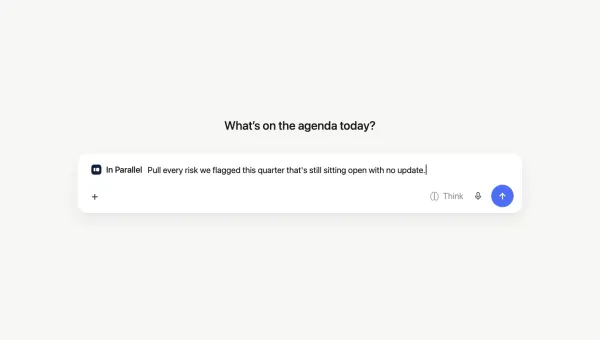
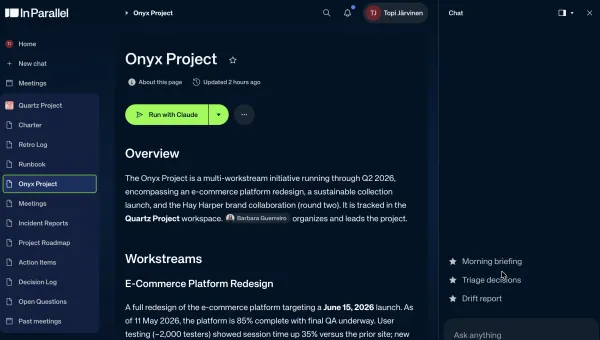
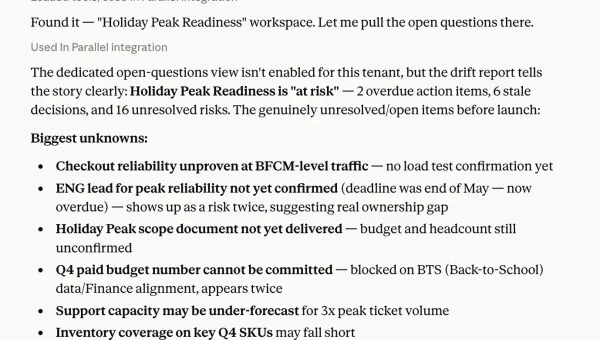
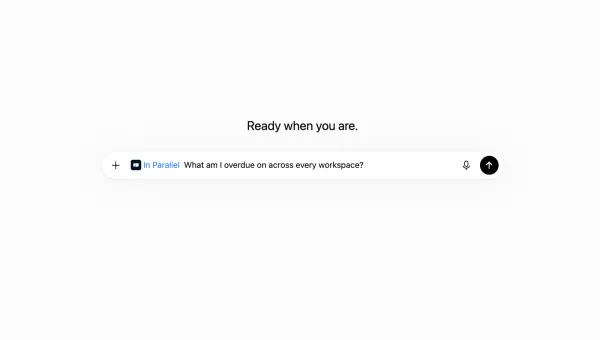
With AI and creative coding, the customer’s options are expanding, ranging from purpose-built intelligent tools for work (like ours at In Parallel), to collaborative platforms expanding creativity like Miro.
Building with Intention in the Age of Vibe Coding
First, building real, deep products is still about solving hard problems with care and intention, but with these new tools the way we build is changing. While it has been true for some time great ideas can come from anywhere, the product discovery now happens eve before we discover the problem. And when we do, discovery continues to happen while we build, and new, specific ideas can be shaped and prototyped literally minutes. There already examples out there of fringe product categories that vibe coding fulfills in mere days of a few.
Yes, we’ve had frameworks and open source tools for decades now. But what is different now is that Claude Code and the likes of Clawdbot make this super accessible. All you have to do is start and experiment. We are very close to the inflection point where vibe coded software becomes the magnifier for your point of view on the ideas you like to build for yourself, and others. Like I’ve said elsewhere, this feels like early Flash community (ca 2000) on steroids and I’m here for it.
And if software eats the world, large language models give creativity and imagination a firm seat at the table.
From Infinite Possibility to Strategic Judgment
Second, when everything becomes possible by anyone, the point of view and sharp strategic approach of what is worth pursuing and doing becomes more significant than ever. In practice, this means both the ability to think fast and slow ( to phrase Daniel Kahnemann), but on a practical level.
When all of the possibilities in the world are all of a sudden open, and anyone can vibe their ideas into fairly feasible-looking prototypes, making sound decisions about what to pursue, and why becomes the key. Not all ideas are created equal, and most of all, winning ideas are often as much about the why, timing and tapping the right zeitgeist for right reasons, as they are about the idea itself. And when anyone can prototype 80% of anything, the insight on how to commit to truly exceptional ideas is the key.
Strategy as Commitment: Purpose, Restraint, and Timing
Third, the decisions of what to pursue need to be grounded on strategy and purpose. Just doing things for doings’ sake is an easy way to fail. And in its essence, successful strategy is more about saying no to most ideas, and fully committing to the select few, and for long enough.
What customers gravitate towards is of course proven value, but also values and ethical principles. Doing the right things right. This is really the wisdom of good leadership, and also where vibe coding as such fails short. Building meaningful, deep things that are also durable and safe takes time, and thus strategic decision making needs to tap into the cadence that is just right. Not too fast and haphazard, and not too slow either.
Choosing the path and the paradox of choice
So for a modern design, and a design professional, AI does represent a junction. In one direction there is constraint and denial, and maybe a narrow path to greatness requiring heavy sacrifices. At the other, abundance and great treasures with the hint of mirage.
As discussed in the panel, (digital) product design is more and more about the context, and less about artifacts. The specific design artifacts (like a wireframe) are far less important than the underlying context—the text, sketches, ideas, flows, and recordings that collectively define and shape the work.
And then there is the third, maybe slightly less travelled path of moderation, focus and intention.
To have strategy means saying no the most ideas to execute a vision means committing in that path for way beyond feeling uncomfortable. And this is how successes are made, and meaningful things built. Maybe all design needs to be strategic in nature to be meaningful, in service ot making good business decisions, to the benefit company, and the world around.
So here’s the thing, and the question to ask. What is the particular idea, point of view and a skilled you can unleash to your work today?
Get insights like this in your inbox
One email per week on execution intelligence, team coordination, and enterprise AI. No fluff.
By subscribing you agree to our Privacy Policy. Unsubscribe anytime.