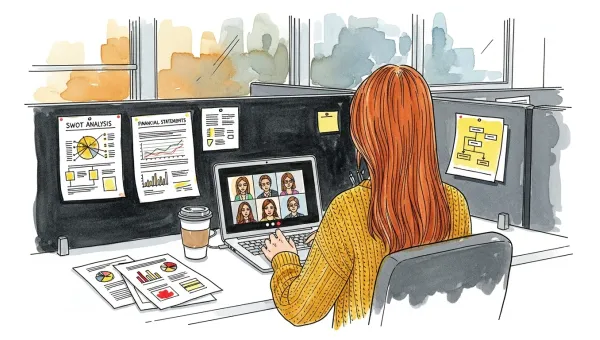
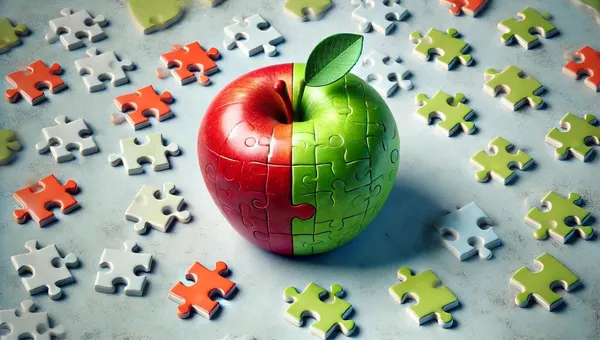
When Technology Stops Being Just a Tool
Why most tools don’t fix coordination problems and what does.

Most teams already use plenty of technology. Still, updates get missed, decisions get lost and people work from different versions of the truth. This article looks at why that happens and why treating technology as part of how work happens, not just a tool, makes such a big difference.
When technology stops being just a tool
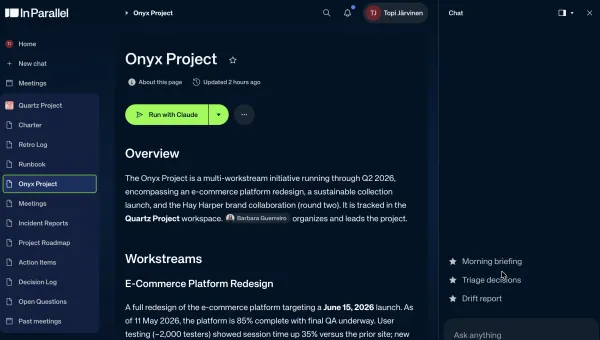
Most teams already use a lot of technology. Dashboards, project tools, chat apps, documents and spreadsheets.
And still, the same problems keep showing up:
- important updates get missed
- decisions disappear after meetings
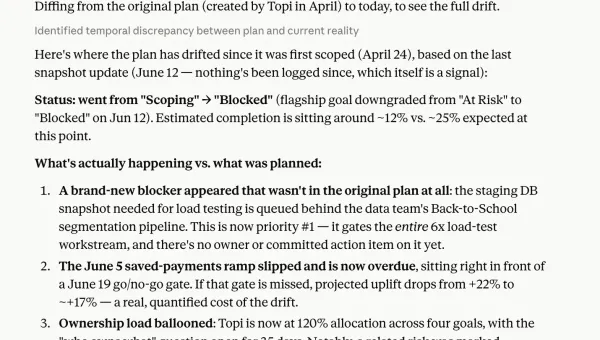
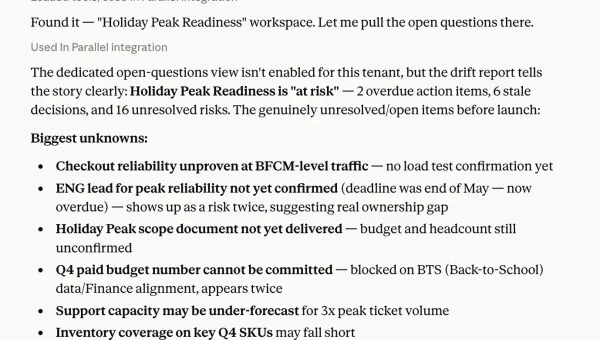
- risks are noticed too late
- people work from different versions of “what’s going on”
So what’s missing? A recent Harvard Business Review article compared two similar companies. Both invested in technology. But they used it in very different ways.
One treated technology as a tool. The other treated it as part of how work actually happens. The second company did much better.
Tool vs. part of the team
Here’s the difference in simple terms.
Technology as a tool
This is what most teams do. They use systems to:
- write reports
- track tasks
- send updates
- store files
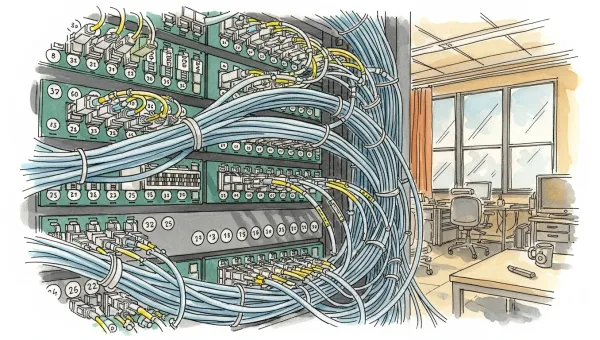
The work still depends on meetings, emails and people remembering to share things. Technology helps… but only around the edges.
Technology as part of the team
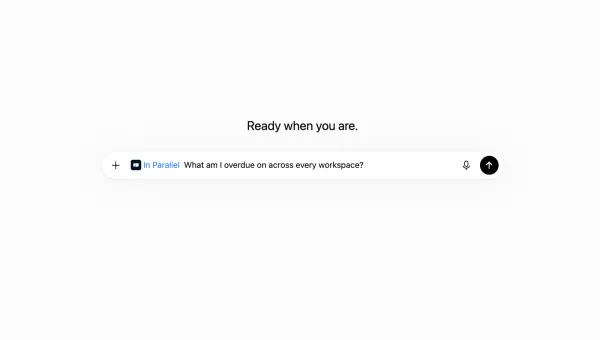
The other company did something different. They built technology into the flow of work:
- updates were connected to decisions
- risks were visible to the right people
- progress was shared automatically
- teams looked at the same picture of reality
Technology wasn’t just used. It had a job to do.
Why this matters in real life
If you’ve worked on a program or big project, this will sound familiar: You join a meeting.
Someone says, “I thought this was done.” Someone else says, “I never saw that update.” A third person says, “We decided something else last week.”
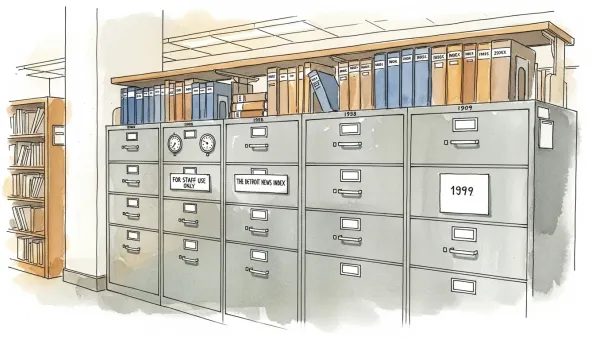
No one is trying to mess things up. But information lives in too many places. So teams spend time:
- searching
- asking
- re-explaining
- fixing misunderstandings
That’s not a people problem, it’s a coordination problem.
What the research showed
In the company that used tech only as a tool:
- people still depended on meetings to stay aligned
- decisions lived in slides and emails
- handovers were slow
- mistakes repeated
In the company that gave tech a real role:
- the system showed what was happening
- decisions were recorded and easy to find
- risks were visible early
- fewer things fell through the cracks
People spent less time guessing and more time doing the actual work.
A simple question for leaders
Instead of asking:
“How can technology make us faster?”
Try asking:
“How can technology help everyone see the same reality?”
Speed doesn’t fix confusion, clarity does.
What this means for modern teams
Today, work is:
- spread across tools
- done across time zones
- supported by AI
- moving fast
Without a shared view, teams drift. No matter how smart the people are.
When technology becomes part of how teams:
- share updates
- track risks
- record decisions
- see progress
Work becomes calmer, clearer, and more predictable.
The takeaway
Technology helps. But technology that shows what’s really happening helps much more. The companies that get the most out of tech don’t just add more tools. They give technology a real role in how work is coordinated.
That’s the difference between working harder and working with clarity.
References
https://hbr.org/2026/01/one-company-used-tech-as-a-tool-another-gave-it-a-role-which-did-better?
Get insights like this in your inbox
One email per week on execution intelligence, team coordination, and enterprise AI. No fluff.
By subscribing you agree to our Privacy Policy. Unsubscribe anytime.