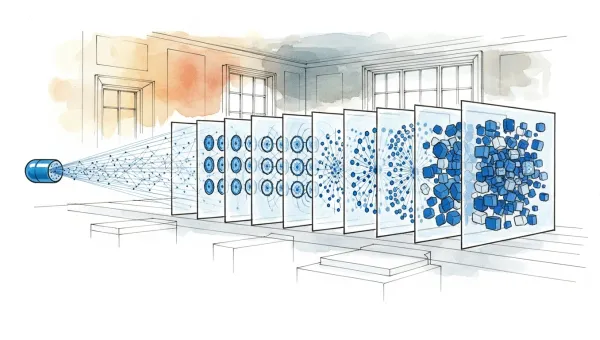
Your AI Isn't Underperforming. Your Organisation Has No Memory.
Ninety-five percent of enterprise generative-AI pilots return nothing the P&L can find. That is the headline figure from MIT’s State of AI in Business 2025, and the temptation is to blame the models. The models are not the problem.
MIT’s NANDA initiative looked at 300 public AI deployments, interviewed 150 leaders, and surveyed 350 employees. Only about 5% of pilots produced any rapid impact on revenue or cost. The rest stalled. What separated the 5% from everyone else was not model quality, vendor, or budget. The researchers named the dividing line a learning gap: the inability of organisations to fold AI into their workflows, their structures, and their memory. The intelligence was never the constraint. The organisation around it was.
This should sound familiar, because it is the same gap that swallowed every wave of enterprise software before it. We bought the tool. We did not change the system the tool had to live in.
The model is smart. The company has amnesia.
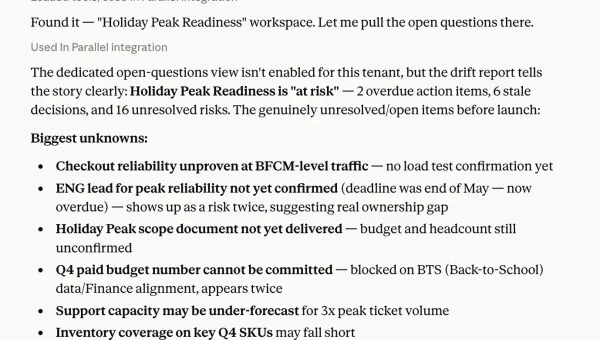
A large language model is, in the most literal sense, stateless. Each session starts cold. It knows what you paste into it and nothing about the decision your leadership team made on Friday, the commitment a customer extracted in March, or the reason last quarter’s plan changed. It has no access to the company’s memory, because in most companies the company’s memory does not exist as a thing you could point an AI at. It lives in people’s heads, in Slack threads that scroll out of reach, in a deck nobody has opened since the offsite.
So the AI inherits an organisation that cannot remember itself, and we are surprised when it cannot help the organisation think.
The most revealing finding in the MIT report is the one that got the least attention. While only 40% of companies hold official AI subscriptions, 90% of employees use personal AI tools to get their work done. People are not waiting for the enterprise rollout. They are routing their work around the organisation, because the fastest path to context is a private chat window, not the system of record. MIT calls this the shadow AI economy. We would put it more plainly: when knowledge cannot move through the organisation, it moves around it.
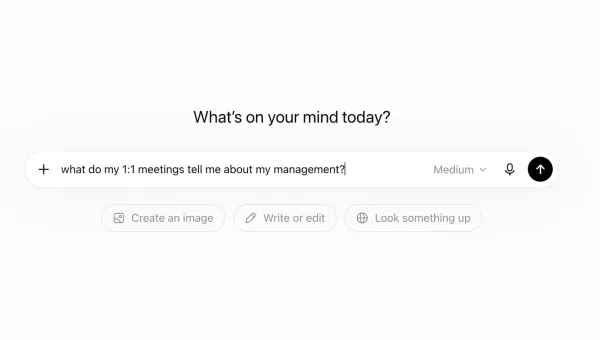
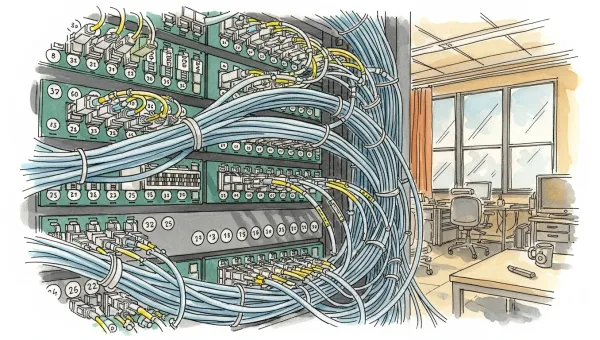
That is not an AI problem. That is the coordination tax — every hour of human attention spent reconciling what is true with the artefacts that were supposed to track it — showing up in a new place. AI did not create the tax. It made it visible, and then it inherited the bill.
Why the obvious fixes miss
The obvious response is to spend more: more licences, more pilots, more internal builds. The data is unkind to this instinct. MIT found that AI bought from specialised vendors and wired into a real workflow succeeded roughly 67% of the time; internal builds succeeded about a third as often. More than half of generative-AI budgets went to sales and marketing, while the measurable returns sat in the back office, in the unglamorous work of removing steps from processes that already existed.
McKinsey’s 2025 survey tells the same story from the other side. Adoption is nearly universal — 88% of organisations now use AI in at least one function — and impact is nearly absent. Only about 39% can point to any enterprise-level EBIT effect, and most of those put it below 5%. Just 7% have scaled AI across the enterprise at all. The organisations that did move the number had one habit in common, and it was not picking a better model. They redesigned the workflow around the work.
This is the shift Tomas Chamorro-Premuzic argues for in Harvard Business Review: stop treating AI as a tool to be adopted and start treating it as a structural challenge to be led. The question is not which model an organisation buys. It is whether the organisation has the shape that lets intelligence compound. Most do not. They have the shape that lets it leak.
What the 5% actually have
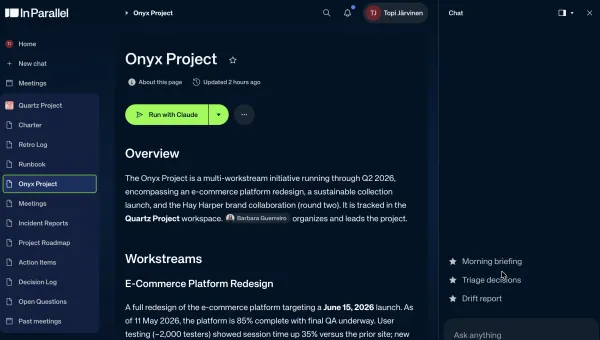
The pilots that worked were not wired into a chatbot. They were wired into a context — a current, shared account of what the organisation is trying to do, where it actually is, and what changed since yesterday.
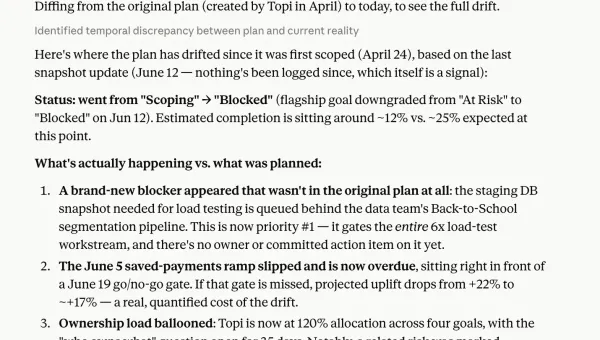
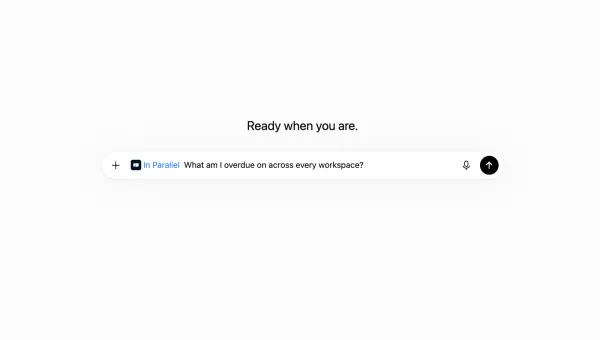
Call it shared context: the substrate underneath the work, where goals, plans, and status live as one connected record rather than forty disconnected ones. It is the difference between an AI that can draft an email and an AI that can tell you a commitment your sales team made this morning contradicts a constraint your operations team raised last week. The first needs a clever model. The second needs memory — a place where both facts are held, linked, and kept current.
Shared context is what turns AI from a faster typist into something that compounds. When the plan keeps up with reality, every team’s AI draws on the same living account instead of learning the same lessons separately in private windows. Knowledge stops evaporating in the space between teams. The work one group does to understand a customer becomes available to the group that needs it next, without a meeting to hand it over.
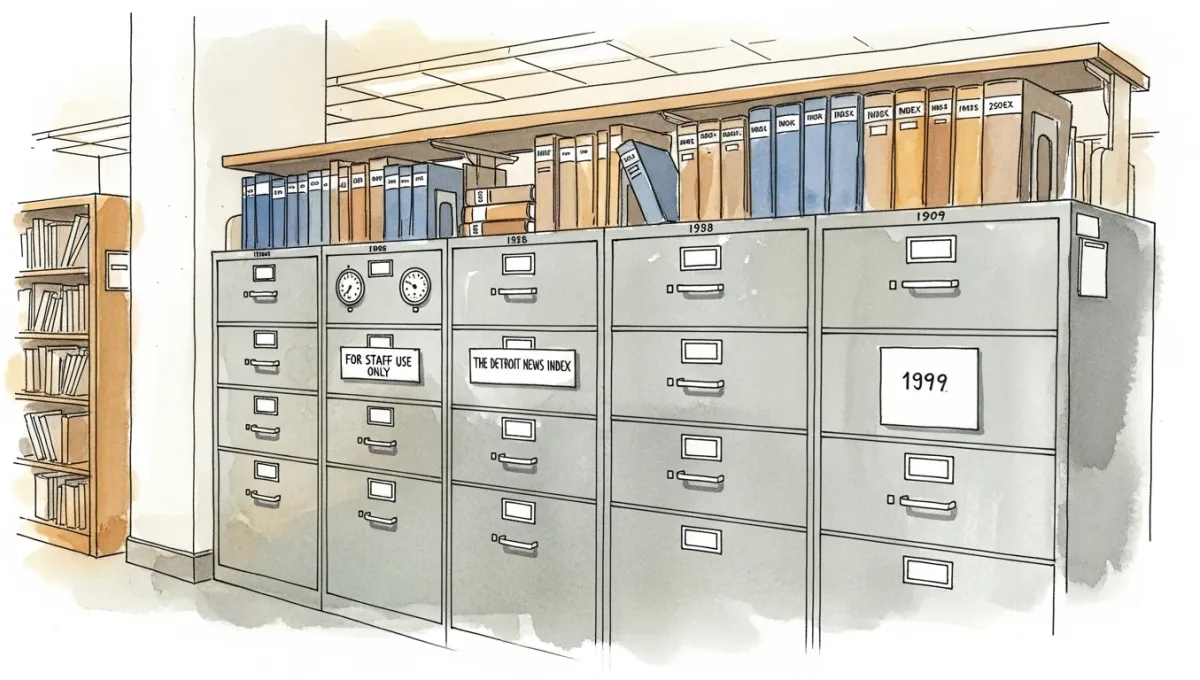
This is why the 5% pulled ahead. Not better intelligence. Better memory to apply it to. AI amplifies whatever it lands in — and most organisations have asked it to amplify a filing cabinet with the drawers locked.
What this does not solve
We will not pretend shared context is a switch. Giving an organisation a memory is harder than buying one, and it does not fix a bad strategy, a confused mandate, or a culture that punishes the person who surfaces the inconvenient fact. Shared context amplifies whatever culture it lands in; point it at dysfunction and it will circulate dysfunction faster. It does not remove the need for judgement about which signals matter. And it earns trust slowly, one kept commitment at a time, the way any memory does.
What it does claim is narrower, and we think it holds. AI cannot compound on an organisation that cannot remember itself. The pilots fail in the gap between what the company knows and what any one tool can reach. Close that gap — give the work a shared, living context — and the intelligence finally has something to be intelligent about.
The 95% are not running the wrong models. They are running good models against an organisational memory that was never built. Build the memory, and the question stops being whether AI works. It starts being what your organisation is finally able to remember.
See how In Parallel keeps the plan and the context current →
Get insights like this in your inbox
One email per week on execution intelligence, team coordination, and enterprise AI. No fluff.
By subscribing you agree to our Privacy Policy. Unsubscribe anytime.