If Everyone Is Busy, Why Does Execution Still Slip?
Why busy organizations stall — and how calm, connected execution restores momentum

Modern organizations aren’t slow because people lack effort, but because critical signals are scattered across tools, meetings, and decks, making execution noisy and reactive. By connecting work end-to-end into one living system, leaders can design calm into the week and turn constant activity into real, coordinated progress.
If Everyone Is Busy, Why Does Execution Still Slip?
Most leadership teams share the same paradox.
Calendars are full. Meetings are back-to-back. Status updates never stop.
And yet, priorities drift, issues surface late, and decisions don’t reliably turn into action.
This isn’t a productivity problem. It’s a signal problem.
Busy Is Not the Same as Effective
McKinsey’s research highlights something many leaders already feel: organizations are overloaded with activity, but underpowered when it comes to execution.
The problem isn’t effort. It’s that work has become fragmented across too many forums, tools, and handoffs.
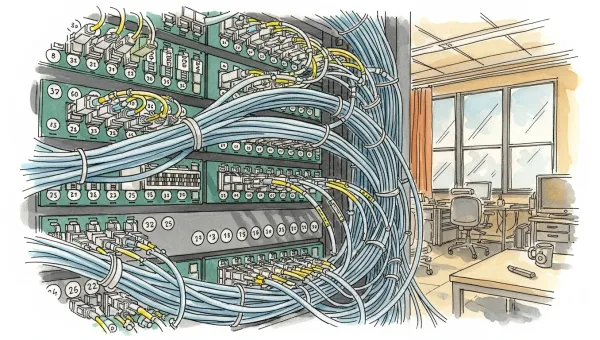
Status lives in decks. Risks live in emails. Decisions live in meetings. Dependencies live in people’s heads.
So teams stay busy reconciling information instead of acting on it.
The result? A constant sense of urgency, without real momentum.
The Hidden Cost of Fragmented Work
When signals are scattered, three things happen:
-
Leaders lose trust in the picture If every review tells a slightly different story, leaders spend their time questioning the data instead of making decisions.
-
Teams optimize locally, not globally Each team executes well in isolation, but priorities drift across programs and portfolios.
-
Issues surface too late By the time something shows up in steering, it’s already expensive, political, or urgent.
This is why organizations feel busy but slow. Energy is spent stitching together the truth rather than moving forward.
Calm Is an Execution Advantage
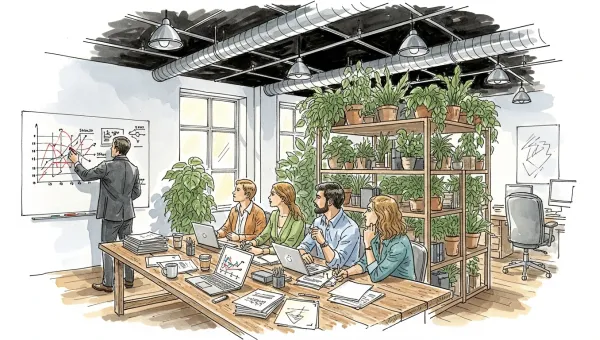
The highest-performing teams aren’t calmer because they’re less ambitious. They’re calmer because they’ve designed systems that reduce noise.
Calm, in this sense, isn’t about fewer goals or lower standards. It’s about clarity:
- One shared picture of execution
- Clear ownership and dependencies
- Early visibility into drift and risk
- Fewer surprises at review time
When teams trust the system, they don’t need constant check-ins. When leaders trust the picture, they don’t need endless status meetings.
Calm becomes a management capability.
Why More Tools Don’t Fix the Problem
Most organizations respond to overload by adding more structure:
- Another dashboard
- Another reporting layer
- Another tool
But this often makes things worse.
More tools increase fragmentation unless they’re connected to how work actually flows. What’s missing isn’t another place to report — it’s a system that understands how work moves end-to-end.
From signal → decision → coordinated action → outcome.
Where Intelligent Management Systems Come In
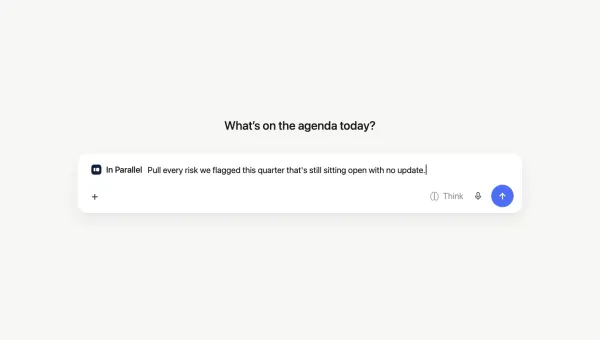
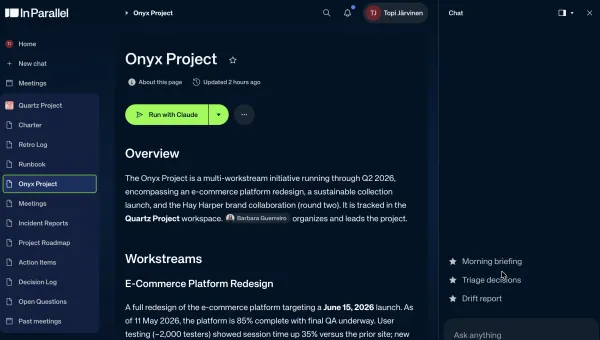
This is where In Parallel’s Intelligent Management System (IMS) changes the equation.
IMS doesn’t replace your tools or rituals. It sits underneath them.
It connects:
- Updates from weeklies and reviews
- Risks and dependencies across teams
- Decisions made in steering forums
- Progress tracked in delivery tools
And turns them into one living execution system.
Instead of manually reconciling decks, trackers, and notes, the system keeps the picture aligned as work evolves.
From Activity to Signal
With IMS:
- Meetings stop being reporting events and become decision moments
- Reviews stop rediscovering the same issues
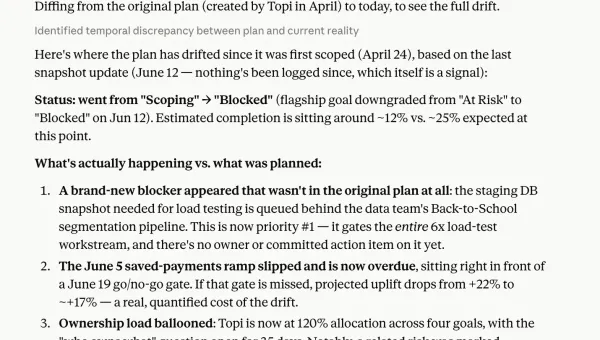
- Leaders see drift early, not after it’s escalated
- Teams stay aligned without constant follow-ups
The organization doesn’t move faster by pushing harder. It moves faster because it spends less time guessing what’s actually going on.
Designing Calm Into the Week
One of the biggest shifts leaders notice isn’t speed — it’s calm.
Fewer fire drills before steering. Less prep thrash before reviews. Fewer “just checking in” messages.
That calm isn’t accidental. It’s designed.
By giving everyone a shared, trusted execution picture, IMS removes the need for heroic coordination and constant interruption. Focus returns to the work that actually matters.
The Real Question Leaders Should Ask
The question isn’t: “How do we get people to work harder?”
It’s: “Why does so much effort fail to translate into progress?”
Until organizations address how signals move — and where the truth of execution lives — they’ll stay busy without getting better.
Calm isn’t the absence of pressure. It’s the presence of clarity.
And clarity, at scale, requires a system built for how modern work actually happens.
References
Get insights like this in your inbox
One email per week on execution intelligence, team coordination, and enterprise AI. No fluff.
By subscribing you agree to our Privacy Policy. Unsubscribe anytime.