Action Items That Outlive the Meeting
Action items that outlive the meeting
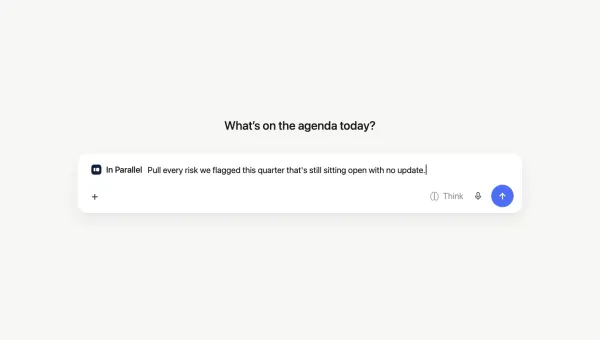
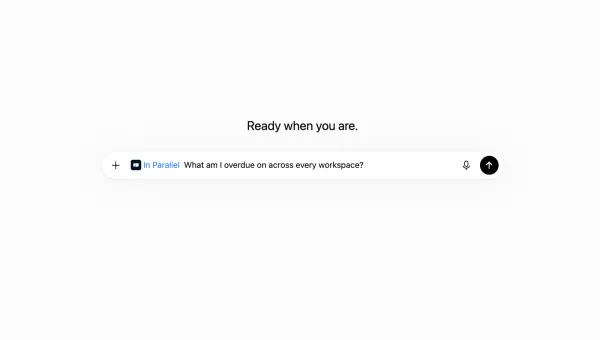
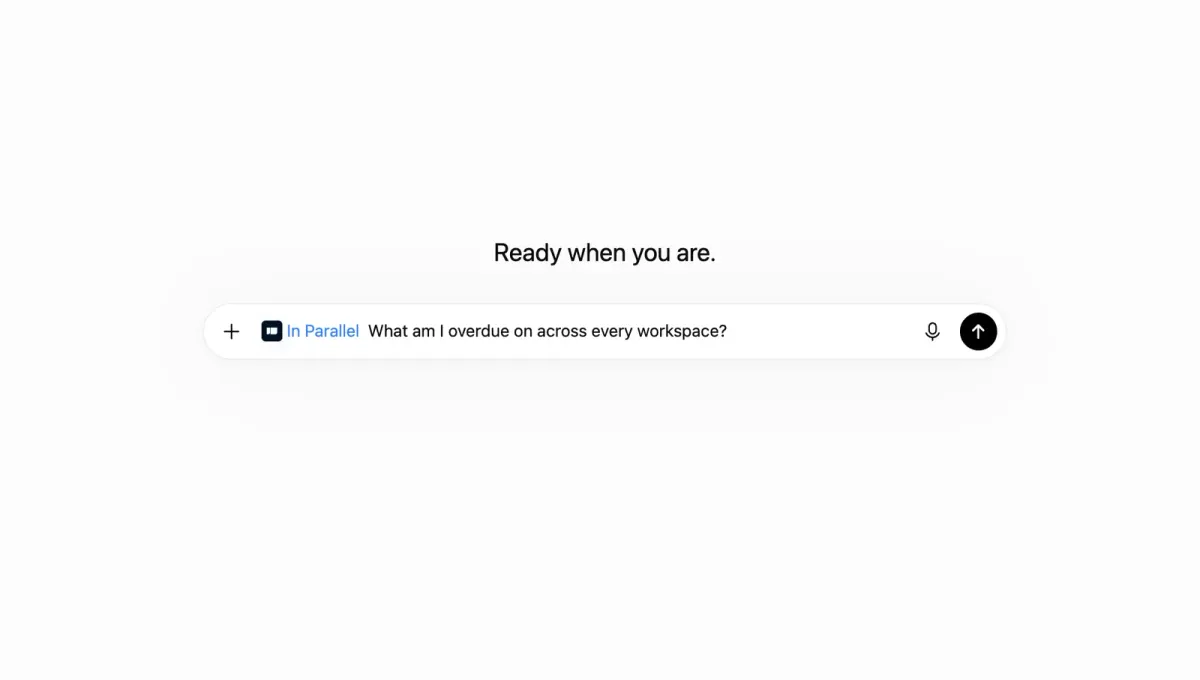
📋 Action items— “What am I overdue on across every workspace?”
Robin closes the call at 4:47 on a Thursday. Tomás said he’d own the vendor follow-up; a couple of people nodded; the meeting moved on to the next line of the agenda. Nobody wrote anything down beyond what the transcript already caught. Three weeks later the vendor follow-up still isn’t done, and it isn’t because Tomás forgot on purpose. It’s because “I’ll own that” was spoken into a meeting, the meeting ended, and the commitment had nowhere left to live except his memory of having said it.
Most action items die exactly this way. Not dramatically — they fade, out of the transcript nobody reopens, out of the follow-up nobody sent, out of a head that has four more meetings before lunch. By the time anyone notices, the conversation has moved from “let’s do this” to “wait, who had this?”
The transcript is where commitments go to die
Worth naming precisely. A commitment made in a meeting inherits the meeting’s lifespan. Once the call ends, the commitment is technically recorded — it’s in the notes, it’s in the transcript — but recorded somewhere nobody returns to. A transcript is an archive. It isn’t a worklist. Sitting inside one doesn’t make a task get done.
So the commitment needs three things a transcript can’t give it. An owner, unambiguously on the hook. A due date, so that “late” is a fact rather than an opinion. And a way to be seen once the meeting that produced it has scrolled out of view.
The problem compounds with scale, too. A manager sitting in six workspaces — a product team, a couple of customer accounts, a 1:1 or two, a leadership group — doesn’t have one list of commitments. She has six, scattered across six rooms, each invisible from the others. “What am I overdue on?” isn’t a hard question because the answer is complicated. It’s hard because the answer lives in six places and nothing holds all of it at once.
The move: a commitment as a tracked object
Lift the action item out of the transcript and give it a life of its own. Each one carries an owner, a due date, a status, a link back to the meeting it came from. It moves through the states you’d expect — backlog, assigned, in progress, done — and the honest terminal ones: archived, cancelled. And, on its own, it computes whether it’s overdue: past its due date, not yet in a state that closes it.
That’s what makes the card’s question answerable. Shared context already holds three things on your behalf — which commitments are yours, when each was due, which ones are still open. The query doesn’t ask you to remember anything. It asks the record what the record already contains.
The commitment outlives the meeting this way. Once it’s a tracked object, the call ending is no longer the end of its life; it persists, owner and date attached, visible regardless of how many meetings have happened since.
“Overdue” turns into a fact instead of a discovery. When the due date is a field and the status is a field, lateness gets computed rather than stumbled upon. Nobody learns something slipped because a customer complained about it first.
You can also ask across every room at once. Because the records aren’t trapped inside the meeting that made them, one question reaches all of them — overdue across six workspaces, due this week anywhere, assigned to you and still open regardless of which team’s call produced it.
What this doesn’t do
It isn’t a project manager. It tracks the commitment — owner, due date, state — but it doesn’t chase the person, sequence the work, or decide what matters most. Acting on it stays a human job, and pretending otherwise would just produce a very tidy list of things that didn’t get done.
It isn’t a productivity score either. Surfacing overdue items is meant to recover the dropped thread, not to build a leaderboard of who’s late. The moment overdue becomes a stick, people stop recording commitments honestly, and the record fills with soft, deniable tasks that were never really commitments at all. A tracker that punishes accuracy gets less of it.
Nor does it invent commitments nobody made. The action item comes from something said in a room. If the commitment was vague — someone should look at that, no owner, no date — the record stays vague too. This sharpens what was committed. It can’t manufacture a commitment the meeting never actually made.
The honest limit
What this removes is narrow, and real: the quiet attrition of commitments between the meeting that made them and the week they were due. The follow-up nobody sent. The wait-who-had-this, three weeks too late. The six separate mental lists a manager carries and never quite reconciles.
What it doesn’t remove is the doing. A commitment perfectly tracked is still a commitment somebody has to honour. This can guarantee the action item outlives the meeting. It cannot do the work.
It just makes sure the work can’t hide.
The third of six pieces on what a shared record holds, after Perfect Meeting Memory and Every Decision Keeps Its Receipts.
Get insights like this in your inbox
One email per week on execution intelligence, team coordination, and enterprise AI. No fluff.
By subscribing you agree to our Privacy Policy. Unsubscribe anytime.