Stop Decision Drift Before It Starts
How decision routines build clarity, speed, and accountability.

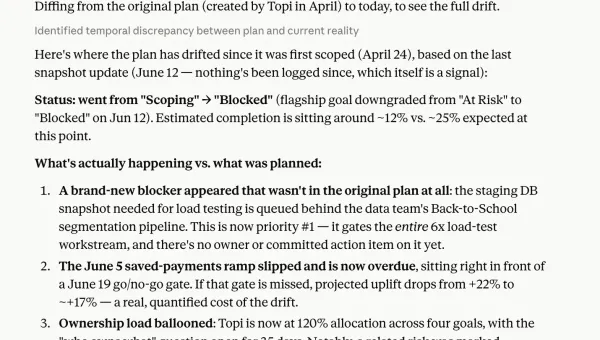
Decisions are the lifeblood of organizations. Yet in many companies, the decision-making process is the quiet leak beneath the surface. Drift happens when choice is delayed, responsibility diffused, and follow-up becomes optional. McKinsey found that 80% of organizations struggle with decision making—and that the traditional RACI model often makes things worse. Read the full report by McKinsey & Company here.
Why Decision Drift Happens
This article digs into the root causes of decision drift and shows how decision routines—not just decisions—create clarity, speed, and accountability.
Too often, organizations assume making decisions is enough. But according to McKinsey:
- No clear decider: many stakeholders think they decide but don’t.
- Poor orchestration of inputs: endless “consulted” loops extend time to decide.
- Delegation without empowerment: decisions bounce back up the hierarchy.
- Ineffective meetings: agendas blur between info, discussion and decision.
When decisions sit in decks instead of getting acted on, drift sets in. Weeks go by, metrics stall, and teams repeat the same conversation next Monday.
How Decision Routines Change the Game
Decision routines shift the focus from what decisions are made to how decisions are made and followed up. Here’s how high-velocity teams tackle drift:
1. Define the purpose Every decision moment must be clear: is this a discussion, a decision, or an update? Meetings that don’t clarify this become motion, not progress.
2. Assign the decider and set boundaries Use frameworks like DARE (Decider • Advisor • Recommender • Execution stakeholder) to reduce vote and veto-culture.
3. Embed follow-through A decision routine captures the decision, the owner, the deadline, and next update. It ensures action, not just discussion.
4. Measure the loop How many decisions were made last week? How many follow-ups completed? How many were escalated? These become real metrics—routine loop completion, decision latency, learning velocity.
How IMS Turns Decisions into Progress
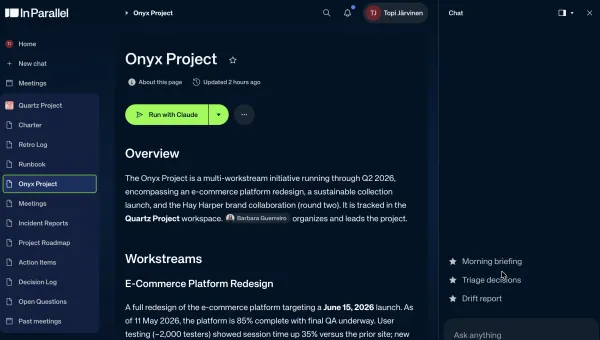
The gap between decision and action is where value leaks. The Intelligent Management System (IMS) closes that gap. It:
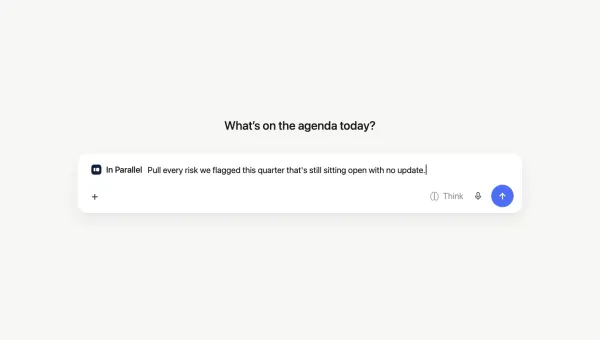
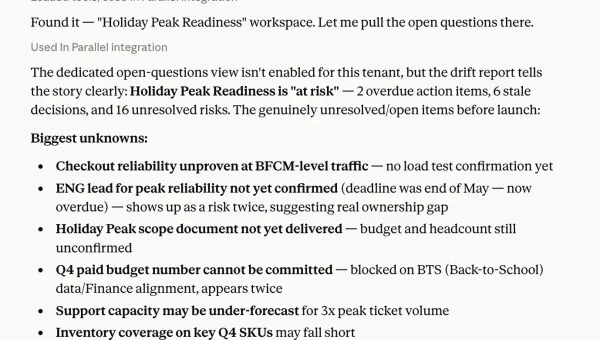
- Automatically logs decisions, owners and follow-ups
- Tracks when decisions should be revisited and escalated
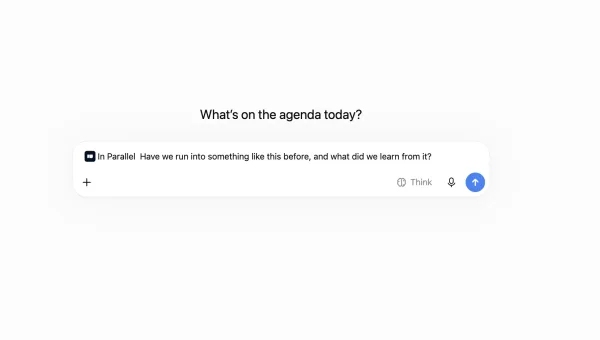
- Connects decisions to outcomes and learns across loops
- Gives weekly dashboards with metrics around decision cadence
With IMS, decisions don’t sit. They move. Clarity becomes rhythm. Accountability becomes second nature.
Conclusion
Decision drift is invisible until it’s too late. Meeting after meeting, update after update—but momentum dwindles and alignment fades. The organizations that win don’t just make more decisions—they build routines that make decisions stick, act, and evolve.
References
Get insights like this in your inbox
One email per week on execution intelligence, team coordination, and enterprise AI. No fluff.
By subscribing you agree to our Privacy Policy. Unsubscribe anytime.