The Accountability Gap: Why Commitments Made in Meetings Don't Become Results

The Accountability Gap: Why Commitments Made in Meetings Don’t Become Results
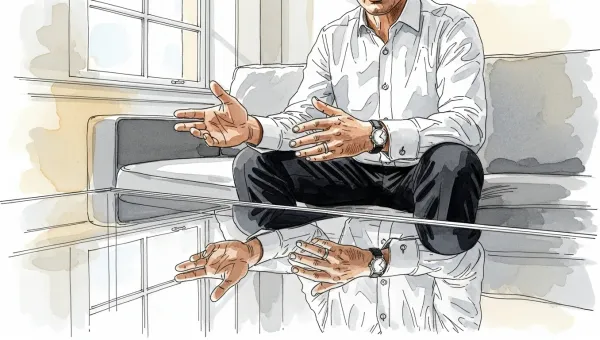
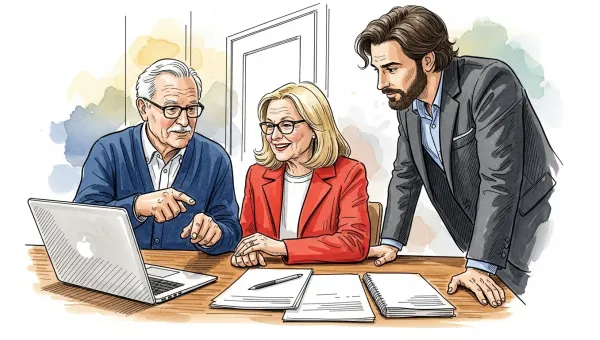
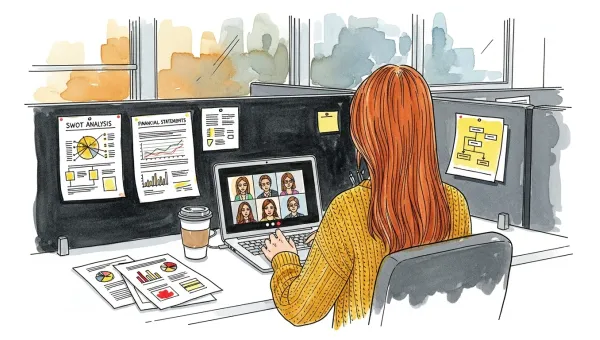
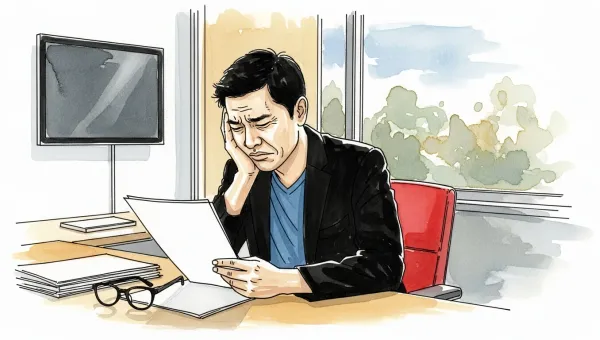
Someone says “I’ll have it by Friday” in a meeting. Everyone nods. The meeting ends. Friday passes. Nothing arrives. Nobody follows up. Two weeks later, in the next meeting, the same person says something similar and everyone nods again.
This isn’t a story about a bad team. It’s a story about a broken system.
Culture Partners’ research found that just over a third of people treat deadlines as real commitments. The rest see them as rough targets — directional signals, not promises. And Gallup’s 2024 data found that employee engagement fell to a ten-year low, with only 46% of workers strongly agreeing they know what’s expected of them. The accountability crisis isn’t a Gen Z problem or a remote work problem or a management problem. It’s an infrastructure problem.
What Accountability Actually Requires
Accountability in the workplace is often framed as a cultural value — something you build through better hiring, clearer values, and more consistent leadership modelling. All of that is real. None of it is sufficient.
Accountability requires three structural conditions that most organisations don’t provide. First, the commitment has to be captured somewhere. Not in someone’s memory — somewhere that can be checked. Second, the commitment has to be visible to the person who made it. Not surfaced at the next meeting — visible between meetings, when there’s still time to act. Third, when a commitment goes stale, someone or something has to notice.
Most organisations provide none of these. Commitments are made in meetings, live in meeting notes that get filed away, and surface again only when the next meeting reveals that something didn’t happen. The gap between commitment and consequence is measured in weeks, by which time accountability has been replaced by explanation.
The Meeting as the Accountability Unit
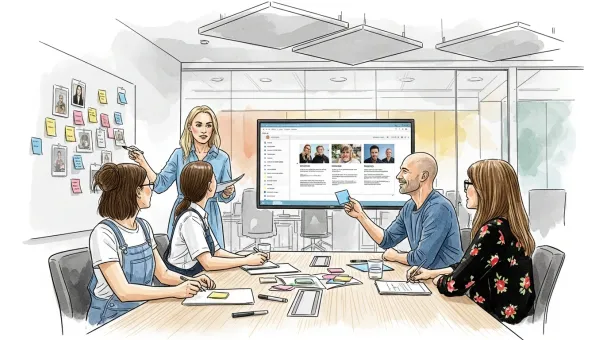
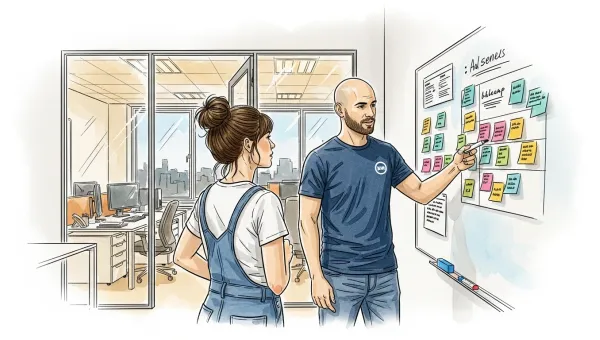
Here’s the structural truth that makes accountability hard: the meeting is where commitments are created, but it’s almost never where accountability is enforced.
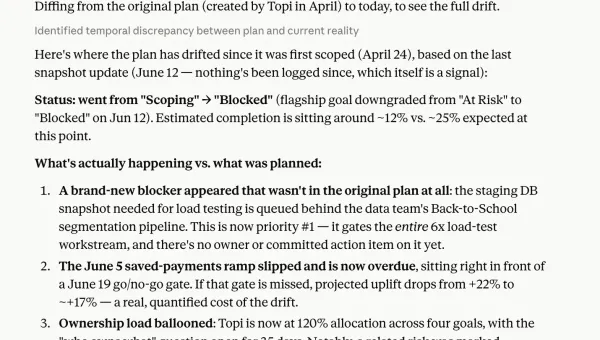
Enforcement happens in the next meeting — if at all. But between meetings, the commitment sits in a note, in a Slack thread, in someone’s half-updated task list. There’s no system watching it. There’s no mechanism that says: this commitment is now four days old and nothing has happened.
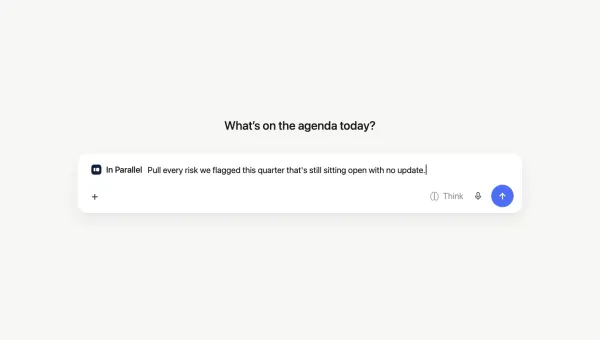
This matters because the window between commitment and result is exactly where accountability either holds or doesn’t. If no signal surfaces in that window, the commitment silently decays. By the time the next meeting arrives, there’s nothing left to enforce — only something to explain.
Gallup’s research is blunt on the consequence: unclear expectations are one of the primary drivers of disengagement. When people don’t know what’s expected of them — or when expectations shift without being captured — accountability becomes arbitrary. You can’t hold people responsible for things nobody wrote down.
The Three Failure Modes
Failure mode one: the commitment was never captured. It was said in a meeting, heard by some of the room, and forgotten by the following Monday. No record. No ownership. No consequence.
Failure mode two: the commitment was captured but not connected. It made it into the meeting notes. It was even assigned to someone. But it was never synced to the tool where that person tracks their work, so it lived in a document nobody re-reads and decayed without anyone noticing.
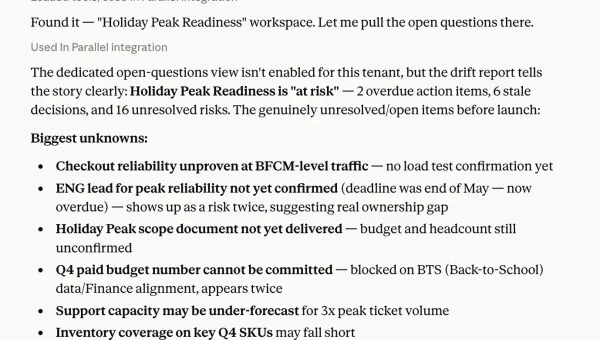
Failure mode three: the commitment was captured and connected but never surfaced. It’s in Jira, correctly assigned, correctly dated. But the deadline passed without anyone flagging it. The system knew — it just didn’t tell anyone.
Each of these is an infrastructure failure, not a people failure. The fix is not more emphasis on accountability in performance reviews. The fix is a system that closes the loop automatically.
What Closing the Loop Actually Looks Like
A coordination layer that captures commitments from meetings, connects them to the tools where work happens, and surfaces stalled ones before the next meeting isn’t a management substitute. It’s what makes management possible.
When commitments are captured automatically — from the moment they’re made in a meeting — the accountability conversation changes. Instead of “why didn’t this happen?” the question becomes “this looks stalled — what does it need?” That’s a fundamentally different dynamic. One is retrospective blame. The other is prospective support.
Accountability in the workplace doesn’t improve by asking people to try harder. It improves when the system makes it easy to see what was committed to, easy to track whether it’s on track, and easy to surface problems before they become failures.
The commitment doesn’t go stale silently. The gap closes.
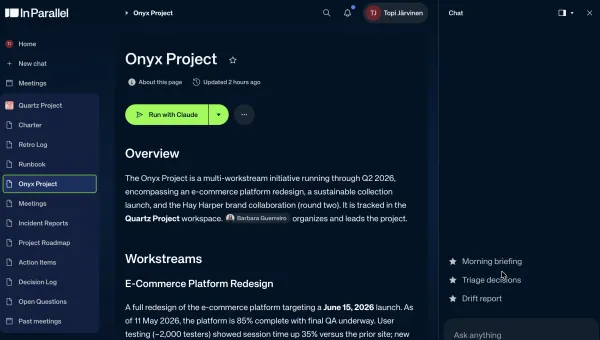
In Parallel captures every commitment made in your meetings and surfaces the ones going stale — automatically. See how it works →
Related reading
Get insights like this in your inbox
One email per week on execution intelligence, team coordination, and enterprise AI. No fluff.
By subscribing you agree to our Privacy Policy. Unsubscribe anytime.